Understanding the Technology Behind Digital Assets

Understanding the Technology Behind Digital Assets

Digital assets rely on cryptographic keys to authorize access and transfers. Distributed ledgers provide tamper-evident records of ownership and history. Smart contracts automate rules and outcomes, enabling programmable ownership. Value exists as verifiable state with auditable execution traces and immutable…

What Makes Cryptocurrency Different From Digital Banking?

What Makes Cryptocurrency Different From Digital Banking?

Cryptocurrency operates on decentralized, permissionless networks with open-source consensus and cryptographic guarantees that enable peer-to-peer transfers on public ledgers. Digital banking relies on centralized, regulated systems controlled by financial institutions, with custodial risk and established oversight. Trust is built through…

How Firewalls Help Protect Computer Networks

How Firewalls Help Protect Computer Networks

Firewalls act as a strategic gatekeeper between trusted and untrusted zones. They enforce policy, segment networks, and reduce exposure to threats through filtered traffic. By monitoring rules and logs, they reveal risks and guide disciplined responses. Different firewall types fit…

How Data Visualization Improves Business Reporting

How Data Visualization Improves Business Reporting

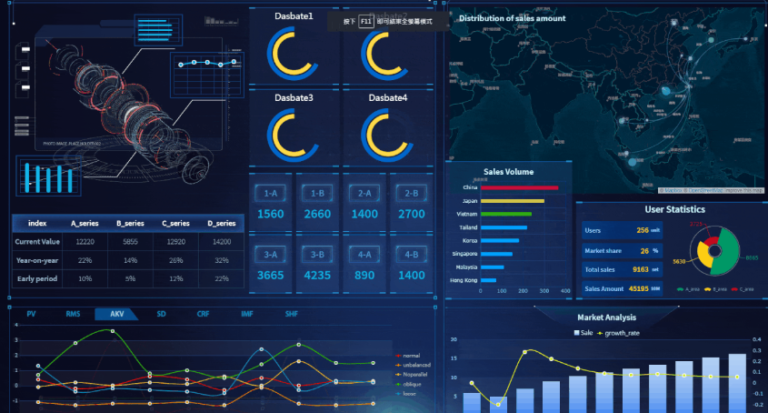
Data visualization translates complex metrics into accessible visuals that speed comprehension. Dashboards distill trends, risks, and outcomes into bite-sized insights, guiding quick decisions. Choosing visuals that align with the data story clarifies priorities and accountability. Implementing dashboards turns metrics into…